
"drought tolerant coffee"
80 article(s) found

The growth process of coffee
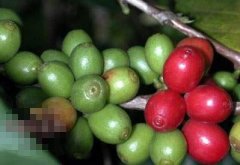
First, planting time: April 15-25 period. Second, planting location: plain, hillside, wasteland, front and back house, forest and fruit tree seedlings can be planted, but should not be planted in tall trees or other unventilated places. Third, herbal coffee does not like flood and fertilizer, conditional planting can use farm manure, during the growth period, it is best to irrigate 1-2 water during the growth period, absolutely do not allow the use of all kinds of chemical fertilizers and
The growth process of Coffee Coffee basic knowledge
First, planting time: April 15-25 period. Second, planting location: plain, hillside, wasteland, front and back house, forest and fruit tree seedlings can be planted, but should not be planted in tall trees or other unventilated places. Third, herbal coffee does not like flood and fertilizer, conditional planting can use farm manure, during the growth period, it is best to irrigate 1-2 water during the growth period, absolutely do not allow the use of all kinds of chemical fertilizers and

The requirements of Coffee on Ecological Environment
Small seed coffee is native to the lower part of the Ethiopian rainforest in northern Africa. The temperature is relatively low, with an average annual temperature of 20 degrees. The origin of medium-grain coffee is near the equator. Therefore, small seed coffee has stronger cold tolerance and wider adaptability than medium grain coffee. Medium-grain coffee requires a slightly higher temperature. First, the requirement for temperature should be based on the natural conditions of Yunnan, and the suitable planting area of coffee should be selected.

The growth process of coffee trees planting boutique coffee
First, planting time: April 15-25 period. Second, planting location: plain, hillside, wasteland, front and back house, forest and fruit tree seedlings can be planted, but should not be planted in tall trees or other unventilated places. Third, herbal coffee does not like flood and fertilizer, conditional planting can use farm manure, during the growth period, it is best to irrigate 1-2 water during the growth period, absolutely do not allow the use of all kinds of chemical fertilizers and

The growth process of Coffee beans knowledge of Coffee planting
First, planting time: April 15-25 period. Second, planting location: plain, hillside, wasteland, front and back house, forest and fruit tree seedlings can be planted, but should not be planted in tall trees or other unventilated places. Third, herbal coffee does not like flood and fertilizer, conditional planting can use farm manure, during the growth period, it is best to irrigate 1-2 water during the growth period, absolutely do not allow the use of all kinds of chemical fertilizers and

The planting techniques of herbal coffee basic knowledge of coffee
First, planting time: April 15-25 period. Second, planting location: plain, hillside, wasteland, front and back house, forest and fruit tree seedlings can be planted, but should not be planted in tall trees or other unventilated places. Third, herbal coffee does not like flood and fertilizer, conditional planting can use farm manure, during the growth period, it is best to irrigate 1-2 water during the growth period, absolutely do not allow the use of all kinds of chemical fertilizers and

The growth process of coffee the planting time of boutique coffee trees
First, planting time: April 15-25 period. Second, planting location: plain, hillside, wasteland, front and back house, forest and fruit tree seedlings can be planted, but should not be planted in tall trees or other unventilated places. Third, herbal coffee does not like flood and fertilizer, conditional planting can use farm manure, during the growth period, it is best to irrigate 1-2 water during the growth period, absolutely do not allow the use of all kinds of chemical fertilizers and

Planting techniques of herbaceous Coffee Coffee trees have been planted in several months
First, planting time: April 15-25 period. Second, planting location: plain, hillside, wasteland, front and back house, forest and fruit tree seedlings can be planted, but should not be planted in tall trees or other unventilated places. Third, herbal coffee does not like flood and fertilizer, conditional planting can use farm manure, during the growth period, it is best to irrigate 1-2 water during the growth period, absolutely do not allow the use of all kinds of chemical fertilizers and

Requirements of Coffee on Ecological Environment Environmental requirements for planting Coffee trees
Small seed coffee is native to the lower part of the Ethiopian rainforest in northern Africa. The temperature is relatively low, with an average annual temperature of 20 degrees. The origin of medium-grain coffee is near the equator. Therefore, small seed coffee has stronger cold tolerance and wider adaptability than medium grain coffee. Medium-grain coffee requires a slightly higher temperature. First, the requirement for temperature should be based on the natural conditions of Yunnan, and the suitable planting area of coffee should be selected.

The nutritional conditions for the growing demand for coffee
Small seed coffee is native to the lower part of the Ethiopian rainforest in northern Africa. The temperature is relatively low, with an average annual temperature of 20 degrees. The origin of medium-grain coffee is near the equator. Therefore, small seed coffee has stronger cold tolerance and wider adaptability than medium grain coffee. Medium-grain coffee requires a slightly higher temperature. The requirement of temperature is based on the natural conditions of Yunnan, and the suitable planting area of coffee should be chosen in the year.

Coffee botany knowledge-Malaysia Coffee City White Coffee
According to the botanical description of coffee: coffee is Rubiaceae, coffee genus, perennial evergreen shrubs or small trees. There are more than 60 types of coffee classified, but there are roughly two varieties of coffee grown commercially on a large scale, one is Arabica, accounting for about 70 percent of the world's coffee planting area, and the other is Robasta, accounting for about 30 percent of the world's coffee planting area. According to our country
Variety characteristics of Yunnan small seed Coffee Bean introduction to the planting conditions of Yunnan Coffee producing area
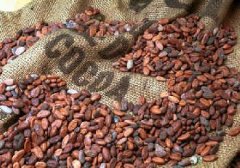
Small seed coffee is native to the lower part of the Ethiopian rainforest in northern Africa. The temperature is relatively low, with an average annual temperature of 20 degrees. The origin of medium-grain coffee is near the equator. Therefore, small seed coffee has stronger cold tolerance and wider adaptability than medium grain coffee. Medium-grain coffee requires a slightly higher temperature. First, the importance of temperature

General knowledge of Coffee planting Environmental requirements for the cultivation of small Coffee in Yunnan
Small seed coffee is native to the lower part of the Ethiopian rainforest in northern Africa. The temperature is relatively low, with an average annual temperature of 20 degrees. The origin of medium-grain coffee is near the equator. Therefore, small seed coffee has stronger cold tolerance and wider adaptability than medium grain coffee. Medium-grain coffee requires a slightly higher temperature. First, the requirement for temperature should be based on the natural conditions of Yunnan, and the suitable planting area of coffee should be selected.
Knowledge of coffee botany basic knowledge of fine coffee
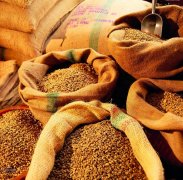
According to the botanical description of coffee: coffee is Rubiaceae, coffee genus, perennial evergreen shrubs or small trees. There are more than 60 types of coffee classified, but there are roughly two varieties of coffee grown commercially on a large scale, one is Arabica, accounting for about 70 percent of the world's coffee planting area, and the other is Robasta, accounting for about 30 percent of the world's coffee planting area. According to our country

Coffee botany is mainly divided into the following five varieties
There are more than 60 types of coffee classified, but there are roughly two varieties of coffee grown commercially on a large scale, one is Arabica, accounting for about 70 percent of the world's coffee planting area, and the other is Robasta, accounting for about 30 percent of the world's coffee planting area. According to our national standards, the classification of coffee is mainly divided into the following five varieties. 1. Small seed coffee, that is, Arabian species. Original production

The requirements of coffee on the ecological environment in which grain coffee requires a slightly higher temperature.
Small seed coffee is native to the lower part of the Ethiopian rainforest in northern Africa. The temperature is relatively low, with an average annual temperature of 20 degrees. The origin of medium-grain coffee is near the equator. Therefore, small seed coffee has stronger cold tolerance and wider adaptability than medium grain coffee. Medium-grain coffee requires a slightly higher temperature. First, the requirement for temperature should be based on the natural conditions of Yunnan, and the suitable planting area of coffee should be selected.
The growth experience of coffee
Coffee seedlings do not blossom until about 5 years. Coffee begins to wither after flowering for 2-3 days. Green fruit gradually turns yellow after a few months. In June-September, it begins to turn red. There are roughly three varieties of coffee grown on a large scale: Arabica, also known as Arabica, which accounts for about 70% of the world's coffee acreage. The bean shape is slender, with an S-shaped line in the middle, and is native to

What are the seed varieties of coffee? what are the varieties of Kadim-Starbucks coffee?
What are the seed varieties of coffee? what are the main varieties of Kadim-Starbucks coffee? Esselsa (also known as Charley), which was introduced from Guangxi and planted in Hainan in the 1970s. The fruit is vigorous, but the seed coat is thick and hard like a small seed, the ratio of fresh to dry is 5: 8, and the quality is strong and slightly bitter. Deep roots, strong drought and cold tolerance, resistance to leaf rust and longicorn beetles

Coffee bean varieties coffee bean varieties classified coffee varieties
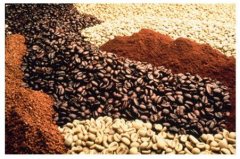
Professional coffee knowledge exchange more coffee bean information please follow the coffee workshop (Wechat official account cafe_style) in the global coffee, Arabica species account for about 70% of the total output, has important commercial value. Arabica species spread to all parts of the world from the Arabian Peninsula, and subspecies such as Tibica species and slope species appeared according to the route of transmission, followed by mutation and crossing.
Special "requirements" for the growth environment of small-grain coffee
Small seed coffee is native to the lower part of the Ethiopian rainforest in northern Africa. The temperature is relatively low, with an average annual temperature of 20 degrees. The origin of medium-grain coffee is near the equator. Therefore, small seed coffee has stronger cold tolerance and wider adaptability than medium grain coffee. Medium-grain coffee requires a slightly higher temperature.